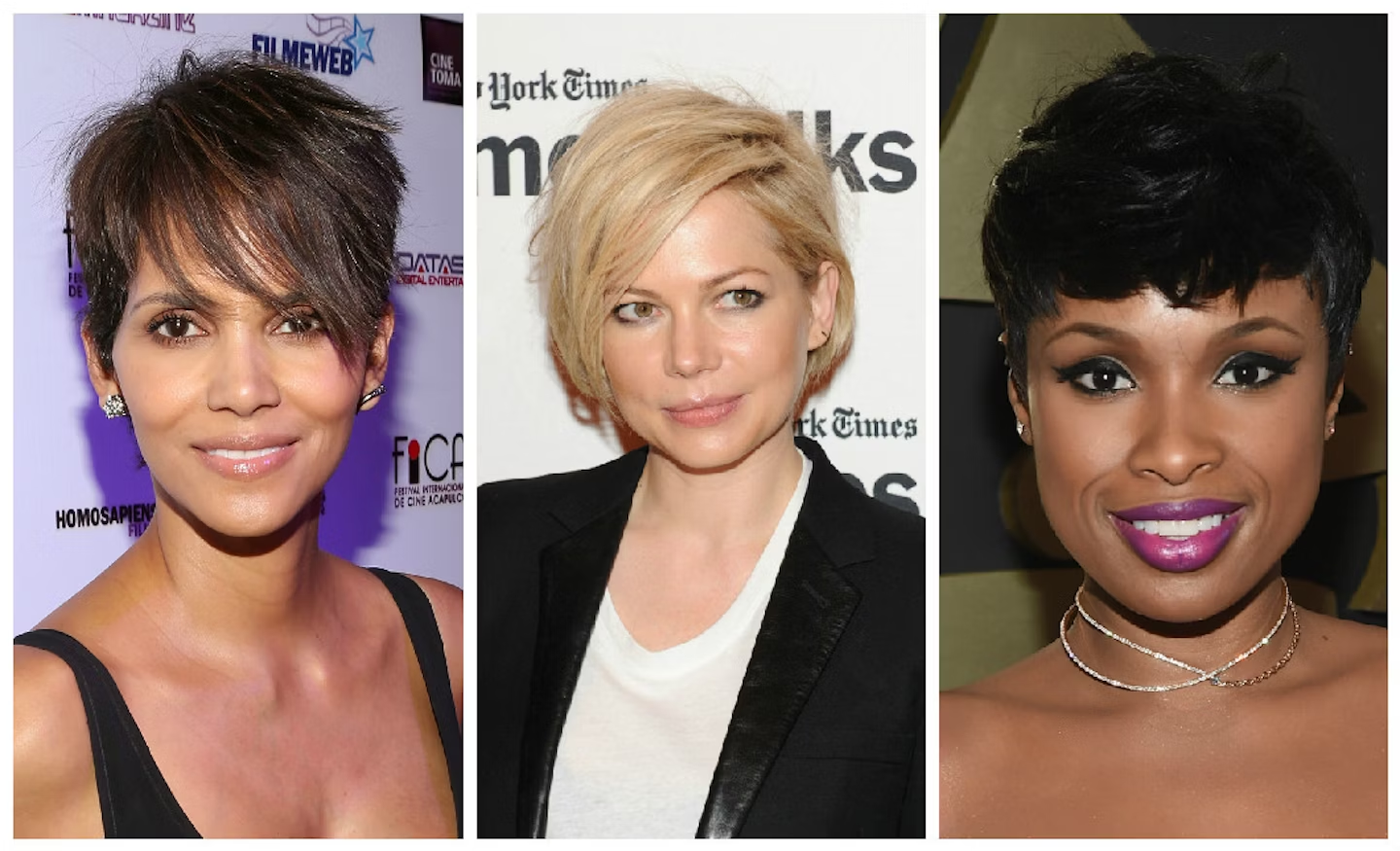
Find Your Perfect Style: Pixie Cuts for Every Face Shape

allureaestheticsazflagstaff.com – Pixie cuts have been a staple in the world of hairstyles for decades, offering a chic and low-maintenance option for those looking to make a bold statement. This iconic short haircut is versatile, adaptable to various face shapes, and can be styled in numerous ways to suit individual tastes. Whether you’re considering a pixie cut for the first time or looking to update your current style, understanding how this cut can flatter your face shape is key to finding your perfect look.

Understanding Your Face Shape

Before diving into the world of pixie cuts, it’s essential to determine your face shape. Face shapes generally fall into categories such as oval, round, square, heart, and diamond. Each shape has its unique characteristics, and knowing yours can guide you in selecting a pixie cut that enhances your features.

Pixie Cuts for Oval Faces

Oval faces are characterized by a balanced, slightly longer chin and a forehead that is slightly wider than the jawline. This versatile face shape can pull off almost any pixie cut. Opt for a classic pixie with a bit of length on top to add volume and texture. Layering can also create a flattering frame around your face.

Pixie Cuts for Round Faces

Round faces are full and equal in width and length, with soft, curved edges. A pixie cut with height on top and textured layers can add length to your face, creating a slimming effect. Avoid cuts that are too short around the sides and back, as they can make your face appear wider.

Pixie Cuts for Square Faces

Square faces have a strong jawline and a forehead that is approximately as wide as the jaw. A pixie cut with soft layers and a rounded shape can soften the angles of your face. Adding bangs or wispy fringe can also help to balance your features.

Pixie Cuts for Heart Faces

Heart-shaped faces are wider at the forehead and narrower at the jawline, with a pointed chin. A pixie cut that’s longer at the front and shorter at the back can draw attention to your eyes and cheekbones. Avoid heavy bangs, as they can overpower your delicate features.

Pixie Cuts for Diamond Faces

Diamond faces are narrow at the forehead and jawline, with wider cheekbones. A pixie cut with volume at the crown and longer pieces around the cheekbones can highlight your best features. Side-swept bangs can also help to balance your face shape.

Conclusion: Embracing Your Perfect Pixie Cut

A pixie cut can be a transformative choice, offering a fresh and modern look that’s easy to maintain. By understanding your face shape and considering the various pixie cut options, you can find a style that complements your features and reflects your personal style. Remember, the key to a successful pixie cut is not just in the initial cut but also in the styling and maintenance. Consult with a professional stylist to find your perfect pixie cut, and don’t be afraid to experiment with different lengths, layers, and accessories to make the look your own.
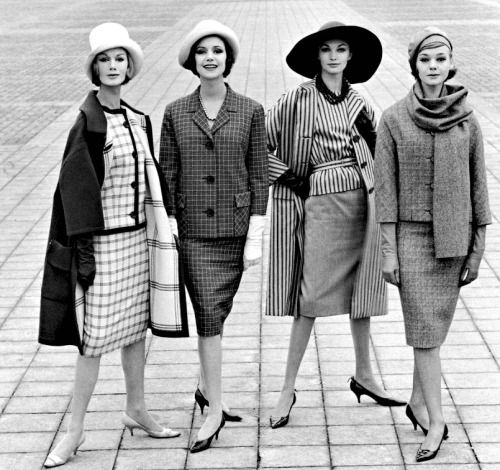
Diversity in Retro Style: Vintage Variations

allureaestheticsazflagstaff.com – Fashion is a cyclical art form, with trends often revisiting the past for inspiration. Vintage style, in particular, has captivated the hearts of many, offering a glimpse into the elegance, rebellion, and innovation of bygone eras. The diversity within retro fashion is a testament to the creativity and cultural shifts throughout history. This article delves into the multifaceted world of vintage fashion, exploring how different styles from various decades continue to influence modern aesthetics.

The Roaring Twenties: A Decade of Liberation

The 1920s marked a significant shift in fashion, mirroring the social changes of the time. Women’s fashion saw a dramatic departure from the previous era’s restrictive corsets to more liberated, youthful silhouettes. The iconic flapper dress, with its dropped waist and short hemline, symbolized freedom and modernity. This era’s fashion was not just about clothing; it was a statement against traditional norms and a celebration of the newfound independence of women.

Post-War Fashion: The Elegance of the 1940s and 1950s

The end of World War II brought about a period of economic recovery and a return to femininity in fashion. The 1940s and 1950s are remembered for their elegant, structured designs. The New Look by Christian Dior, introduced in 1947, was a stark contrast to the utilitarian clothing of the war years. It featured a nipped-in waist, full skirts, and luxurious fabrics, setting the tone for the decade’s fashion. The 1950s continued this trend, with icons like Marilyn Monroe epitomizing the glamour of the era.

The Swinging Sixties: Youth Culture and Mod Fashion

The 1960s were a decade of radical change, both socially and in fashion. The youth culture movement, centered around music and fashion, gave rise to the mod and hippie styles. Mod fashion was characterized by its clean lines, bold patterns, and bright colors, often seen in shift dresses and tailored suits. Meanwhile, the hippie movement embraced a more bohemian style, with flowy dresses, bell-bottom jeans, and vibrant prints, reflecting the era’s counterculture and peace movements.

The Glam and Disco Era of the 1970s

The 1970s brought a mix of glam rock and disco styles, each with its distinct flair. Glam rock, popularized by musicians like David Bowie and Elton John, was all about excess and androgyny, featuring bold makeup, glitter, and flamboyant outfits. Disco fashion, on the other hand, was about shimmer and shine, with jumpsuits, platform shoes, and polyester suits dominating the dance floors. This era’s fashion was a celebration of individuality and self-expression.

The Eclectic 1980s and 1990s: From Power Suits to Grunge

The 1980s were defined by power dressing, with sharp shoulders and bold patterns reflecting the decade’s economic boom. This era also saw the rise of casual sportswear, influenced by the fitness craze. The 1990s took a turn towards minimalism and grunge, with flannel shirts, ripped jeans, and oversized tops becoming staples. Both decades showcased the diversity within vintage fashion, from the opulence of the 80s to the laid-back vibe of the 90s.

Conclusion: The Enduring Appeal of Vintage Fashion

Vintage fashion’s enduring appeal lies in its ability to tell a story, to capture a moment in time. Each era’s style reflects the cultural, social, and political landscape of its period, offering a rich tapestry of inspiration for modern fashion. Whether it’s the liberated spirit of the 1920s, the elegance of the post-war years, the youthful rebellion of the 60s, the glam and disco of the 70s, or the eclectic mix of the 80s and 90s, vintage fashion continues to influence and inspire. As we look to the past for inspiration, we’re reminded of the diversity and creativity that have always been at the heart of fashion.